Student life at a small college centers on deep community connections, accessible campus leadership, and personalized institutional support systems. Unlike massive institutions where individuals easily blend into the background, smaller campuses build highly collaborative spaces that accelerate personal and professional development.
Read on to find out more about the benefits — and common misconceptions — of student life at smaller-size colleges and how it impacts your learning and future career.
Benefit #1: Personalized Attention and Smaller Class Sizes
One of the most immediate differences between large and small institution student life appears inside the classroom. At large universities, you’ll often find yourself in giant lecture halls where it’s easy to just sit back and get lost in the crowd. Grading is often handled by teaching assistants—usually graduate students who help professors with coursework and grading—which means if you need help, you have to be ready to speak up and advocate for yourself.
On the other hand, small colleges keep classes small, which makes it easier to talk directly with your classmates and get personal help from your professors the moment you run into a challenge. Professors know your name, face, and academic goals from day one. This close-knit setting ensures that your unique voice actively shapes daily classroom discussions.
Rather than leaving you to figure things out alone, professors in smaller environments actively track your progress. To ease the transition from high school, York College offers programs like the First-Year Seminar, and also pairs students with faculty advisors immediately to build academic confidence.
Benefit #2: Stronger Faculty-Student Relationships
At a small college, you’ll find that your classes and social life often go hand-in-hand. Professors here choose to teach because they love mentoring students, rather than focusing purely on research. Because of this, they're always there to act as mentors, career advisors, and your biggest advocates.
These close connections really pay off in a few key ways:
- You’ll often get the chance to work right alongside professors on cool research projects.
- Professors often tap into their own professional networks to help you land internships, co-ops, and jobs after you graduate.
- When you need a letter of recommendation, your professors can write a truly personal one that really catches the eye of hiring managers or grad school admissions officers.
As you look at schools, keep an eye out for programs that bring academics out of the classroom and into your daily life.
Benefit #3: A Supportive Campus Community Where You Belong
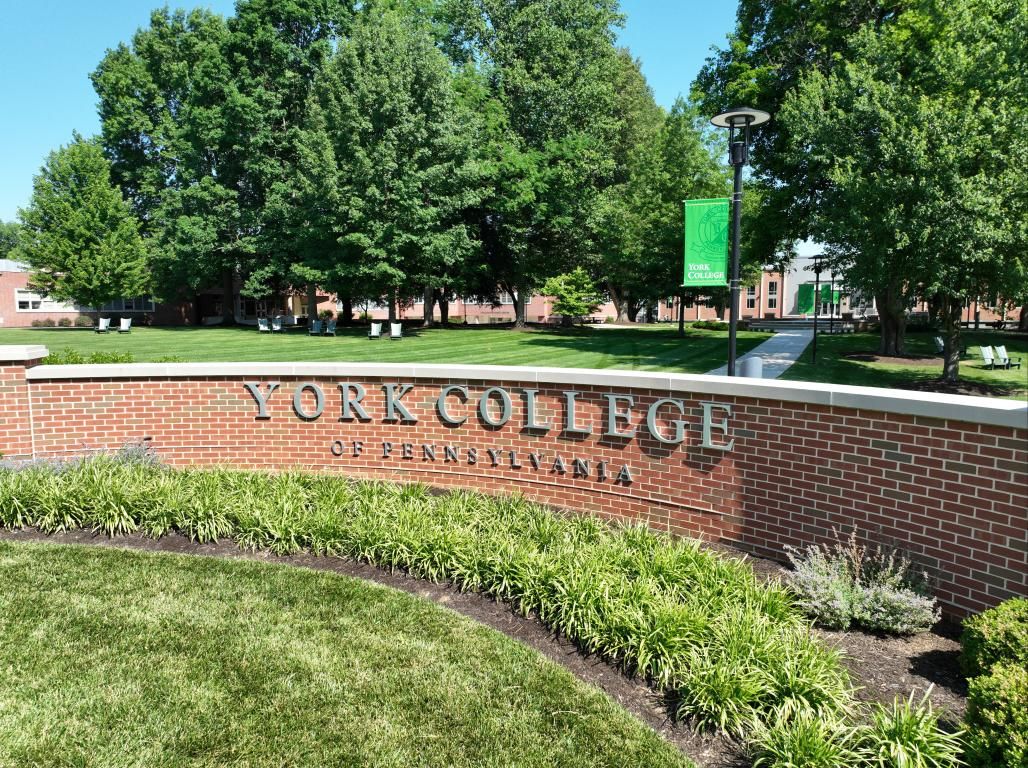
Think of a smaller college campus like a friendly neighborhood rather than a sprawling city. Places like the student union or a community center become natural hangout spots where you'll run into familiar faces every day. This helps you avoid that 'lost in the crowd' feeling that can happen at big public universities. Everything is within a short walk, which makes it easy to grab friends for a quick study session or hang out.
At York College of Pennsylvania, our campus feels like an idyllic enclave, but our location gives you the best of both worlds. You get the close, tight-knit community you want during the week, but you're still a short trip away from big cities like Baltimore, Washington D.C., and Philadelphia. This means you can enjoy the cozy campus vibe while easily heading out for a weekend trip or an internship in the city.
Because our campus is compact, student organizations have a real chance to make a big impact. At York College, you’ll find it easy to jump into groups, find your people, and make friends that last.
See how these student-led groups bring everyone together:
Benefit #4: Seamless Access to Student Services and Success Resources
Small colleges are more able to eliminate the institutional red tape and long waitlists that commonly delay essential care at oversized universities, like academic, physical, and mental health support.
- The on-campus student health center delivers timely, professional medical care and wellness programming.
- A specialized student success center provides free peer tutoring, writing labs, and time-management workshops tailored to your specific course load.
- Modern digital portals, including intuitive student self-service applications, allow you to manage schedules, track financial aid, and audit degree progress instantly.
At a small college, if a student faces a challenging week, advisors, healthcare providers, and other campus staff may be able to more flexibly collaborate behind the scenes to provide a unified safety net.
Benefit #5: More Opportunities to Get Involved and Lead
At a smaller college, it’s much easier to step up and lead. While a huge university might have hundreds of students vying for a single spot on a club’s executive board, smaller schools offer way more room for dedicated students to jump into those roles quickly. YCP’s Abby Brown ‘26 found leadership opportunities to support her future after graduating as an engineering major and soccer player.
Plus, small colleges often have strong ties to their surrounding towns. At York College of Pennsylvania, you aren't just limited to campus—you can easily lead community service projects, land local internships, or team up with nearby businesses. It's a great way to build a resume that really stands out.
If you spot a need for a new club or organization, you can get it off the ground fast. Just find a few friends at the student union, draft a charter, and get it approved by the student council. Before you know it, you’re officially launching something new and gaining hands-on leadership experience.
Whether you're running for student council, planning events, or starting your own initiative, there’s simply less competition. It’s an accessible environment that makes it easy to build a strong leadership portfolio before you even graduate.
Debunking Common Misconceptions About Small College Life
If you’re researching differences between large and small colleges, you may encounter outdated or oversimplified myths about smaller institutions. Let’s talk about the realities and nuances.
Misconception: Small campuses turn into lonely "ghost towns" on the weekends.
You might worry that a smaller school will turn into a "ghost town" on the weekends, with everyone heading home and leaving campus feeling empty. In reality, it’s easier for a smaller community to stay active and engaged. Because the campus is compact, events happen right where you live, not miles away across a big city. For example, even on a quiet weekend, you’ll find students gathering for things like Friday night bonfires, intramural game tournaments, or local food truck pop-ups.
Misconception: Small colleges provide an inferior education for STEM and technical fields.
Some people think you need to attend a massive research university to get access to high-end labs or serious funding. But that’s often a myth. At giant universities, those expensive, high-tech labs are usually dominated by graduate students and researchers, leaving undergraduates with very little hands-on time.
At a small college, the setup is much better for you. You get direct, hands-on access to advanced equipment right away. You’ll start working with professors on real research projects as early as your freshman or sophomore year, building the practical experience that employers and grad school admissions officers are actually looking for.
Misconception: You miss out on the "true college experience."
Pop culture heavily associates the "college experience" with sitting in a stadium of 80,000 people. Small colleges redefine that experience through active participation. You do not just watch from the sidelines. Students at smaller institutions are the ones playing division sports, managing the student government budget, or balancing a demanding major while touring with a choir group. The true college experience involves active engagement rather than passive observation.
Frequently Asked Questions
Large universities often emphasize massive stadium events and vast crowds, which can induce feelings of isolation. Small colleges prioritize high-impact experiences, close peer relationships, and immediate access to leadership roles, ensuring you remain a valued individual.
Absolutely. Because faculty members maintain deep connections with local employers and alumni, they recommend specific students directly for competitive roles. Small colleges focus their career resources on undergraduates, maximizing your access to job fairs, interview preparation, and internship placements.
If you want a campus that combines the robust professional facilities of a larger school with the personalized care, mentoring professors, and tight community of a small college, York College provides exactly that balance. Find out if YCP is your best fit with our blog, Six Reasons to Attend York College. For additional guidance on evaluating your top institutional choices, navigate to our strategic resource on How to Choose a College.

Is a Small College Right for You? Find Out at York College
How do you determine if a small campus fits your long-term goals? A small college provides the ultimate environment for students who value visible participation, direct faculty access, collaborative classrooms, and a supportive campus culture where your presence truly matters.
Are you ready to see how a close-knit environment unlocks your full personal and professional potential? Request more information today. Or, see our campus for yourself by scheduling a campus visit.
Did you know? York College of Pennsylvania offers a grant to students who visit our campus. Learn more about our campus visit grant incentive.