Survivors Find Solace at Thrive Through Peace Healing Garden, Supported by the Urban Collaborative
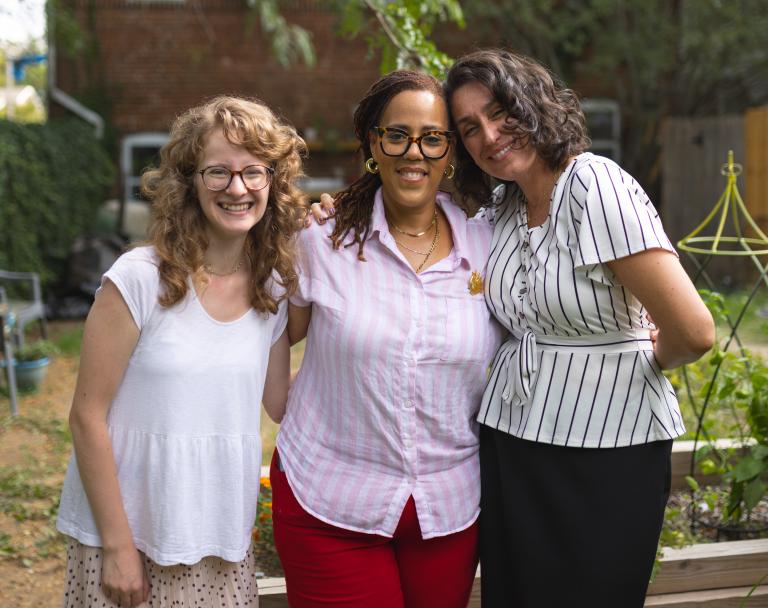
As York City’s Trauma Responder, Endi Dabney often meets people during some of the most difficult moments of their lives.
Her role goes far beyond responding to an incident; Endi responds to traumatic events throughout the city, providing emotional support and connecting victims with resources. She helps people understand what comes next after an incident and works to reduce some of the barriers they may face after experiencing trauma. Sometimes that means sitting beside someone in a hospital room or supporting them at a court hearing. Other times, it means helping a family manage grief, navigate services, or simply being a familiar face when life feels overwhelming.
Through this work, Endi began to think about what healing could look like outside of traditional spaces. “I wanted to create a space where people could just be,” Endi said. “A place where you don’t have to explain yourself, where you can breathe, sit quietly, connect with nature, and have a moment of peace.”
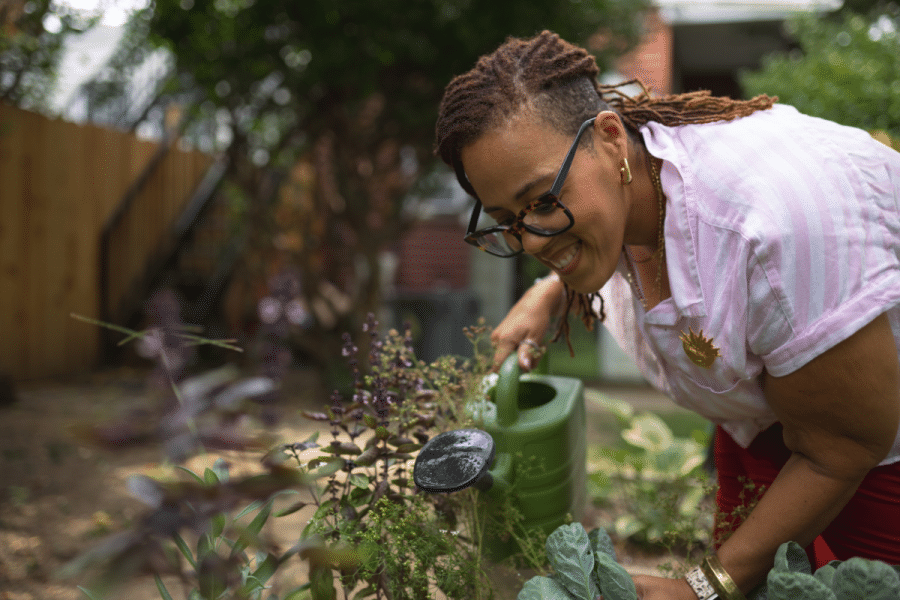
That vision marked the beginning of what would eventually grow into the Thrive Through Peace Healing Garden.
After sharing her idea with York City Police Commissioner Michael Muldrow, he saw an opportunity to help move the vision forward. Muldrow connected Endi with a York City community resident who had a vacant plot of land and was willing to allow the space to be transformed into something meaningful for the community.
Endi reached out to the York College Urban Collaborative for insight and assistance in revitalizing the garden, and, as a result, a strong partnership was formed.
The Urban Collaborative is an initiative of the Center for Community Engagement that engages students and faculty in community-based learning projects to enhance the learning experience and improve the quality of life in York City neighborhoods. Now, with help in cleaning up and cultivating the area, the Thrive Through Peace Healing Garden has become a private, peaceful place for survivors.
The garden wasn’t created overnight; it grew little by little, through conversations and relationships with people who believed in the mission and provided the volunteers and donations that brought the vision to life.
The land had potential, but there was plenty of work ahead.
Creating a Green Space
Endi began by bringing community members together to clean up the property. Volunteers helped clear weeds, remove debris, and begin preparing the space. Community support and fundraisers helped provide some of the resources needed to slowly turn an empty lot into a place centered around healing, reflection, and connection.
While sharing the project with Jess Zartman, Director of the Urban Collaborative, Endi found another partner who understood what the garden could become. Jess saw it as an excellent opportunity to collaborate.
Hannah Sheeley ‘25 (formerly Hannah Zinn) had just started her position as the Urban Collaborative Scholar-in-Residence when Endi was looking for support. According to Jess, “I was onboarding Hannah, and her undergrad was in Environmental Horticulture, so I wanted her to have a good keystone project. Endi needed help, and it just seemed like a perfect marriage.”
“We did a lot of brainstorming sessions, and I created some different garden plan drafts for her,” Hannah said. “We would go back and forth on what she wanted, so I helped with things like plant selection and purchasing, design, and creating maintenance schedules.”
The result is a garden designed to benefit people and the natural environment alike. Endi and the Urban Collaborative staff hope to place a greater emphasis on native plants as the garden continues to develop, which are not only beneficial to the environment but also support and attract pollinators while encouraging plant procurement levels.
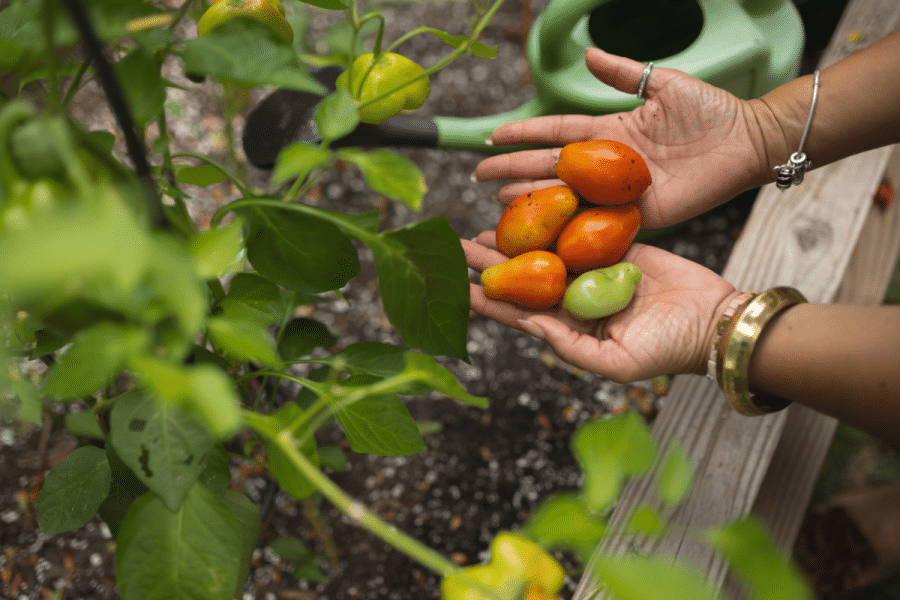
Building on existing plants, including Rose of Sharon, the team added edible crops such as tomatoes, peppers, melons, and brussels sprouts, along with herbs like basil and rosemary. Flowering plants, including sunflowers, petunias, and marigolds, contribute color and help attract pollinators, while citronella, lemongrass, and coleus add further variety for insects. They included many sensory plants as well, allowing them to experience the therapeutic aspects of gardening.
Endi has also created dedicated tribute areas where visitors can paint a stone or brick in honor of a loved one they have lost. These personal memorials offer visitors a quiet place to grieve, reflect, and remember.
With each addition, the garden is becoming more than a renovated outdoor space. It is becoming a place where survivors of trauma, grief, domestic violence, sexual assault, families, youth, and even service providers can slow down and reconnect with themselves.
For some participants, especially children who rarely get out into the countryside, the garden offers a chance to experience a small piece of nature’s beauty.
“Nature is healing,” Jess said. “For the kids who don’t have the opportunity to experience this at all, we ask, ‘How can they learn to love something they never get to interact with?’ They get to do that here in a safe, peaceful environment that has all the elements. There’s food, there are flowers, there are animals — it’s all here.”
Garden Goals
The goal of the Thrive Through Peace Healing Garden is not to tell people how to heal. The goal is to give them a safe place where healing has room to happen. For Endi, that is an extension of what being a Trauma Responder is all about: showing up, meeting people where they are, connecting them with what they need, and reminding them that even after trauma, there can still be moments of peace.
Ultimately, the garden is meant to be a place where individuals can find peace and process what they have experienced at their own pace. Healing doesn’t have to take place in a clinical setting; in fact, feeling connected to nature can facilitate openness and opportunities to learn. The garden is a living metaphor.
“It’s part of how we grow and how we have to nurture ourselves, we have to water ourselves,” Endi said. “We want to tie in those lessons with a lot of things that our individuals are experiencing.”
The location is kept confidential to ensure that participants who attend are protected and have access to a private place. These individuals and groups can range from those who were victims of domestic violence and members of grief support to juveniles and individuals who work in the community.
Once the garden is fully renovated, Endi plans to offer a range of healing-focused services and activities. She has been working tirelessly to establish partnerships to offer traditional therapeutic services, as well as more contemporary services like art and sound therapy, guided meditation, and yoga classes.
A Future Beyond the Fence
The Urban Collaborative has provided project support funds for necessary materials and repairs and will be a continued partner for annual maintenance. “We try to be really intentional about it, and I just wanted to try to help Endi bring her vision to life,” Hannah said. “So very much supporting what her amazing ideas are.”
The next steps for the garden are to keep adding greenery and rotate annuals seasonally. Endi and Urban Collaborative staff hope to place greater emphasis on native plants to support pollinators and local ecosystems. Future additions will include cooler-weather crops like lettuce and kale, as well as native bushes and flowers.
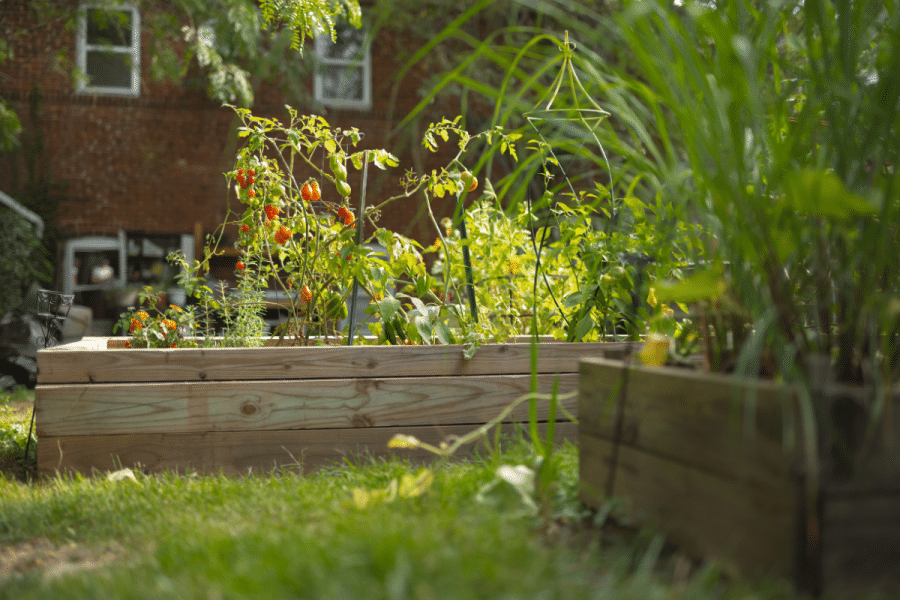
The team also hopes to expand the garden’s sensory elements with plants such as lamb’s ear, nodding onion, and celosia, encouraging visitors to engage with their surroundings through touch, smell, and other direct experiences. Edible and ornamental non-native plants will remain part of the design where appropriate, including herbs that can be dried to make tea for participants to enjoy in the garden.
These additions are intended to deepen the garden’s therapeutic value while reinforcing participant buy-in. Whenever possible, participants will help plant and care for the garden, giving them a more active role in its development and an opportunity to experience the rewards of nurturing something over time.
“Along with the sessions, I work with at-risk teens in another program, and we’re going to coordinate them planting some seeds along with the rest of the process,” Endi said.
YCP Students Learn Through Service
Last Spring, Hannah led Spartan Green volunteers in on-site cleanup. Students from a range of programs, including horticulture, nursing, and psychology, participated in hands-on work, and some maintained their connections with Endi afterward.
The garden provides opportunities to enhance learning in multiple disciplines. “I think it’s important in Criminal Justice, Nursing, everything because it all ties together,” Endi said. “They’ll be working with victims, so they’ll know how to approach [them] and maybe have more of a trauma-informed awareness when dealing with some of the individuals that they work with.”
The Urban Collaborative wants to continue connecting York College students to this valuable opportunity to help the community.
Previously, York College professors from the Kinsley School of Engineering, Sciences, and Technology have advised or guided Endi’s work. Now, additional faculty have expressed interest in getting their classes involved as well. Students from the Criminal Justice department will have the opportunity to earn extra-credit volunteer hours this fall, and a community-based learning project is in planning. At the same time, students will gain a new perspective on how they can better help the people they will serve in their careers.
“But we also have a conversation; it’s not just about community service, because you can go and do community service, but I want it to be meaningful,” Endi continued. “So we have conversations when they are here...”
The garden is growing into a powerful healing space for York community members, regardless of their particular background or situation. Collaboration with the Urban Collaborative promises further growth and support for residents who may be struggling.
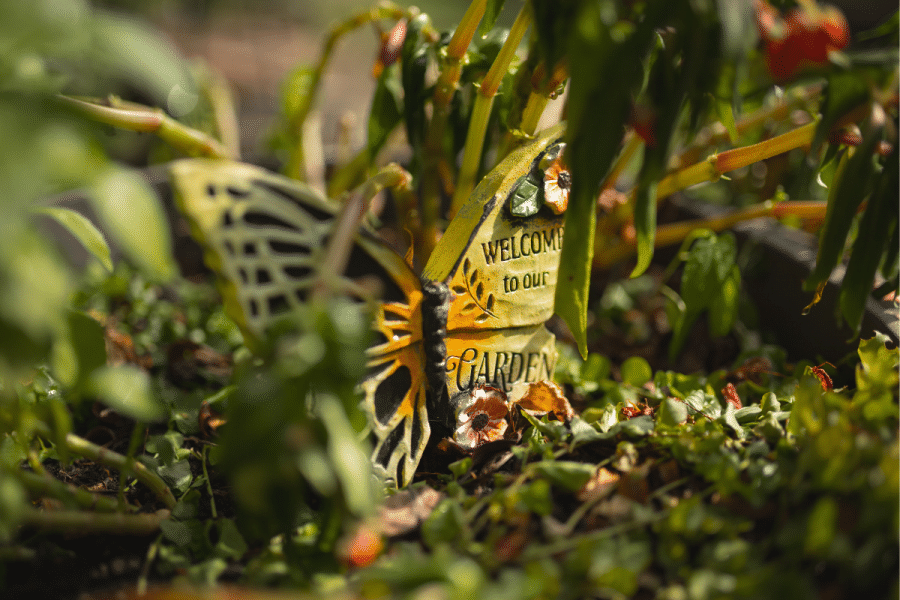
Supporting projects like the Thrive Through Peace Healing Garden can lead to countless benefits for both the city and the environment. Bringing people together can create lasting change, and the work being done for the garden can have a substantial impact on those who need it most as they watch themselves grow along with the garden.
“Our goal is to improve the quality of life in York City and support the people who are on the ground doing the really hard work, and that is Endi,” said Jess. “What she does for her clients will reverberate into future generations. That’s where we should place our support.”
The Urban Collaborative is excited to continue working with Endi, allowing students, volunteers, and other members of the York community to help and see the impact the space can have on others. For Endi, the partnership means more than having additional hands to help with the garden. It meant having others recognize the importance of creating spaces in the community where people impacted by trauma can feel safe, grounded, and supported.
“I’m super excited about York College partnering with me,” Endi said. “This has been amazing. For them to really believe in the vision and what I want to see here means so much.”