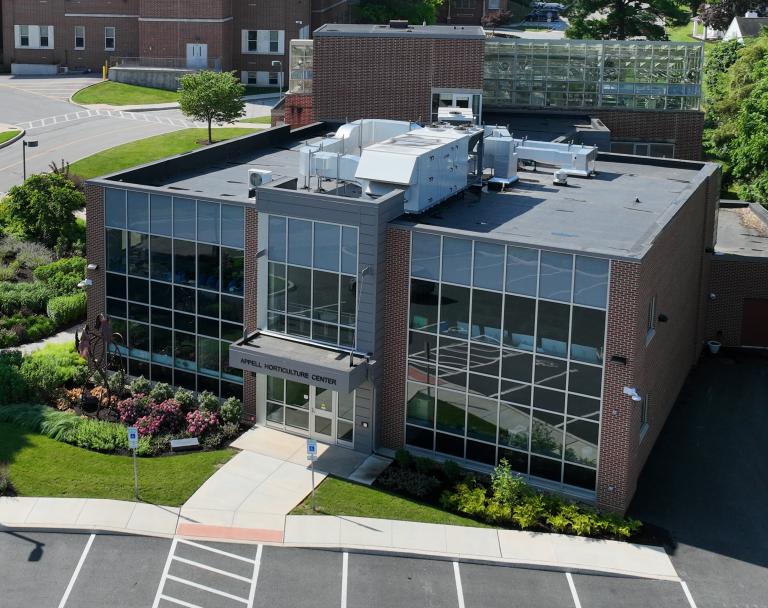
The Landscape Plants, Design and Management course examines how a garden atop a building can provide a habitat, classroom, cooling system, stormwater tool, and place of rest.
Walking through the construction site of WellSpan York Hospital’s new eight-story Surgical & Critical Care Tower during the 2026 Spring Semester, Environmental Horticulture majors at York College of Pennsylvania had a behind-the-scenes look at a rooftop garden in process.
Instructor of Environmental Horticulture AnaLu MacVean’s Landscape Plants, Design and Management class learned about the planning, materials, water access, and structural support necessary before soil, trees, plants, or an irrigation system can be put in place. The visit offered an up-close lesson in the thoughtful preparation that goes into transforming an unused rooftop into a living, restorative space.
“The value of rooftop gardens is that these are extra spaces people usually don’t think of and can be used for wildlife like bees, butterflies, and birds,” MacVean says. “You could have them not only for wildlife, but even if you have small plants on a roof, it can lower the temperature of a building.”
Applying lessons outside the classroom
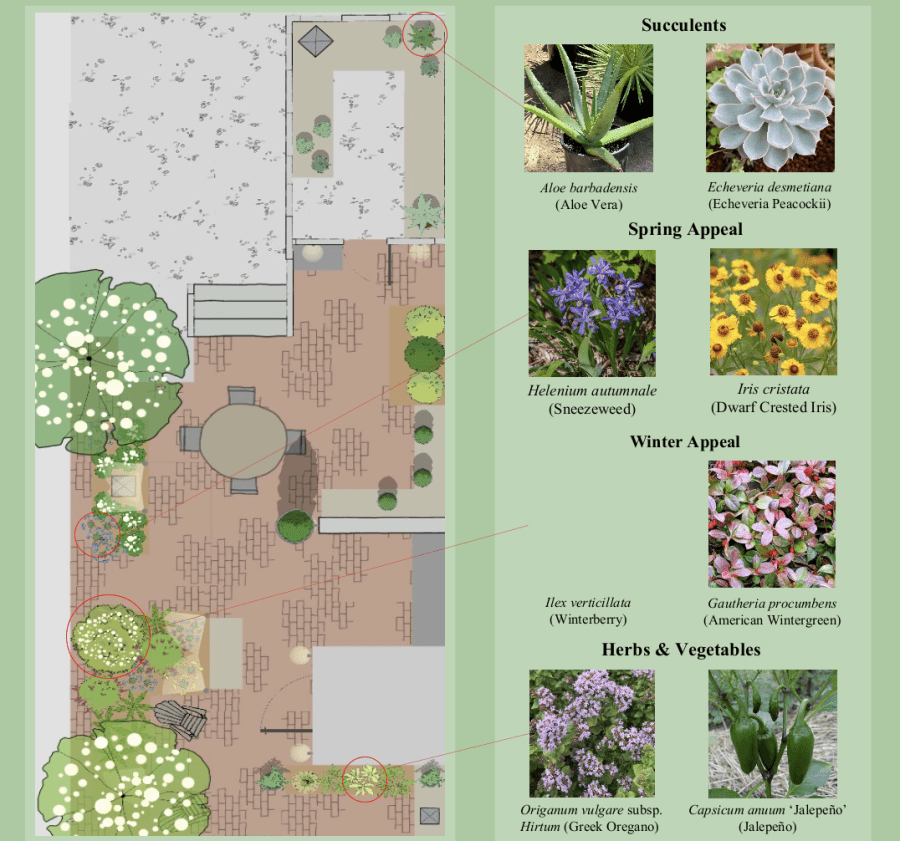
The course introduces students to landscape design, plant selection, and long-term landscape management. With MacVean’s focus on hands-on learning, the course gives students the opportunity to apply lessons outside the classroom as they work with local clients interested in establishing rooftop gardens.
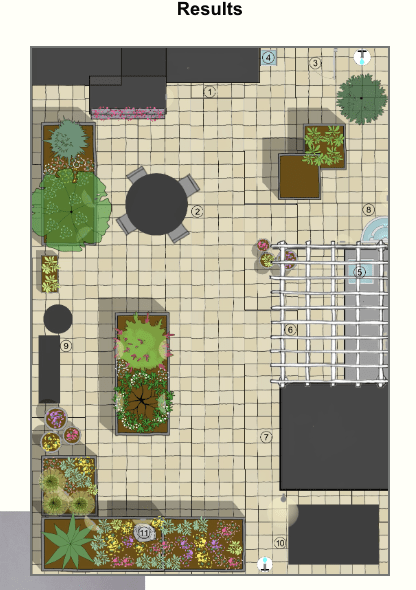
Before the WellSpan visit, students worked with an individual in downtown York who wanted design ideas for such a garden at an apartment building. Each student listened to the client’s goals and developed a unique design for the empty space. Their proposals covered native plants, edibles, container materials, lighting, seating, trellises, water features, and other elements that reflected the practical possibilities for the space and the personality of each designer.
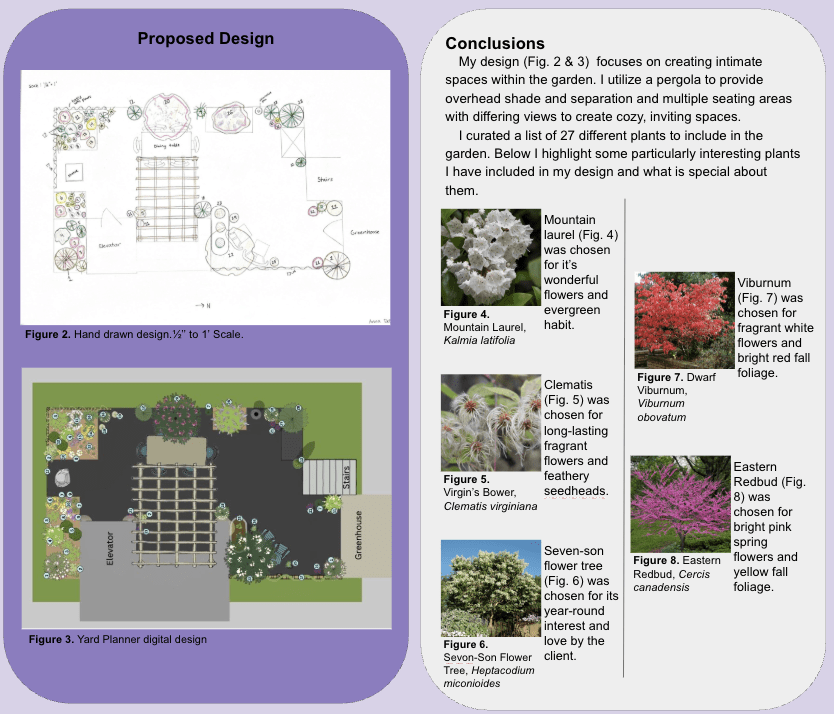
“The best part of the class was the overall project for the client,” says Emme Wittenbach ’27. “I really enjoyed seeing everything from start to finish and actually starting to understand the landscaping process.”
The project required students to think about the limits of rooftop spaces. Unlike traditional landscapes, rooftop gardens depend on careful planning involving weight, water access, drainage, container materials, and impermeable surfaces.
Creating an urban space for plants and pollinators
While the students didn’t design the WellSpan garden, the Environmental Horticulture program expects to collaborate with WellSpan during the 2027 Spring Semester, when MacVean says students will help create educational materials to explain the garden’s plants and purpose. Once installed, the garden will provide a welcoming and calming environment for hospital staff, patients, and visitors. They’ll be able to experience the rejuvenating effect of being in nature without leaving the hospital.
MacVean employs experiential learning to encourage students to think creatively about underused spaces, such as rooftops, walls, and small urban areas, all of which can come to life with plantings. These sites, as well as rain gardens, can help manage stormwater, reduce heat, and provide wildlife habitats for visiting pollinators.
“Students learn by doing and by being curious. Our program has that,” MacVean says. “Our students have state-of-the-art facilities and connections to the community, and the hands-on part of it is pretty special.”